
How to create community
Humans need connection. Having a community helps us to feel like we belong.
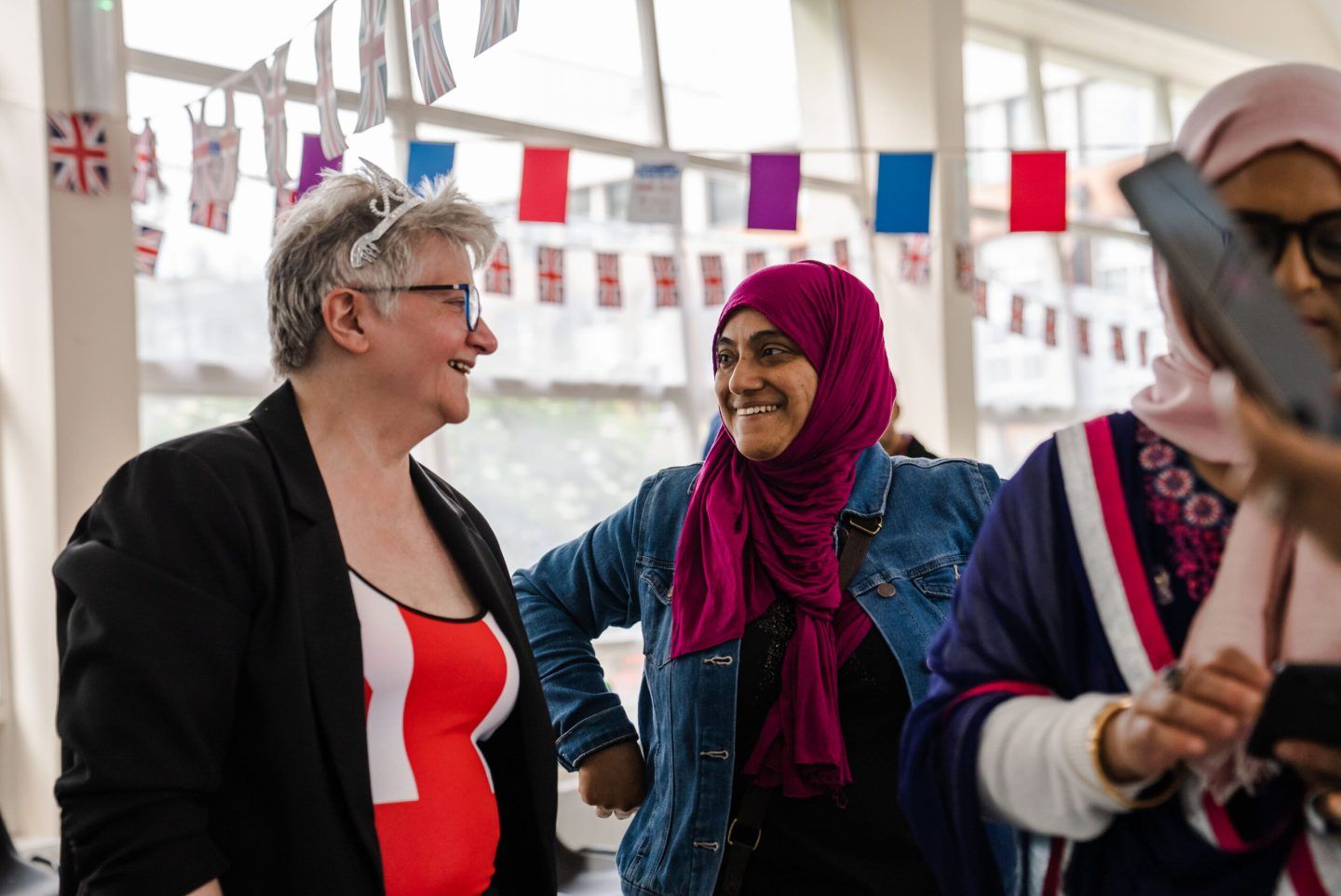
The people around us in our communities and support systems help us to weather tough times and shape our lives and purpose.
Being isolated from others can leave us feeling lonely, which can have lasting impacts on our physical and mental health.
In some ways, our world is more connected than ever. But in others, we’re more apart than ever before.
Connecting with others starts with small steps from ordinary people just like you. Here’s how to create community, wherever you are.
0 in 10
adults identify as being lonely at least some of the time
0 %
of people said they felt they belong more after a Big Lunch**
£ 0.00 bn
saving to services from reduced loneliness as a result of The Big Lunch and other initiatives***
* Bupa Wellbeing Index
** The Big Lunch survey 2025
*** 15 years of impact: an evaluation of the Eden Project communities programme
Key principles of community building
Find something in common
Finding common ground is central to building a community – many communities spring up around shared interests. Invite others to enjoy something together, whether that’s watching a football match, starting a book club, or going for a walk together. The shared purpose of doing something can help ease conversation and provide a focus for meeting up.
It’s easy to feel as though no-one will be interested, but the hardest part is putting yourself out there and starting something new. Once the ball is rolling, the community will build more naturally.
Listen and ask questions
Humans have a real need to feel heard and valued. People who feel lonely can often feel like they’re forgotten about or that no-one cares. If you’re in a situation with new people, try to ask them a few questions about their lives, and try to remember a detail or two.
The next time you see them, if you remember that their dog was called Chip and loves to destroy cushions, it can help them feel like they matter!
Asking questions is also a great way to start conversations if you’re not sure what to talk about. It could be simple things like what you do for work and fun, or something a bit more random like their favourite dessert ever or what a dream holiday would be. These sorts of questions can help people to open up without feeling too much pressure!
We’ve created conversation menus as part of our event resources – they’re a great starting point!
Meet people where they are
Think about the people you want to welcome in your community and work out how might be best to reach them. WhatsApp and Facebook groups are brilliant but can exclude people who aren’t familiar with technology, whereas flyers are visible but won’t reach people who don’t leave their homes very often.
A mix of everything is usually a good way to go – some posters, some information online, and encourage people to spread the word too.
Don’t be afraid to use existing communication channels (a local newsletter or neighbourhood WhatsApp group perhaps) to advertise what you’re doing. You can often find community noticeboards in supermarkets, village halls and community centres.
Be open-minded and consistent
Creating a community takes time, and it’s not always straightforward. You might find that you have initial interest that wanes, or you struggle to get the word out to begin with.
Keep an open mind and ask people for their thoughts and be prepared to adapt what you’re doing to meet those needs. You can’t always please everyone, but being open to change and willing to try new things can be useful.
Being consistent with regular meet-ups or events for the first few months can help create structure and reliability for a community.
The cost of disconnected communities
It’s not just individuals that suffer from feeling lonely and isolated – it has far-reaching effects at a society level too. Our research shows just how damaging disconnected communities can be.
What does community mean to you?
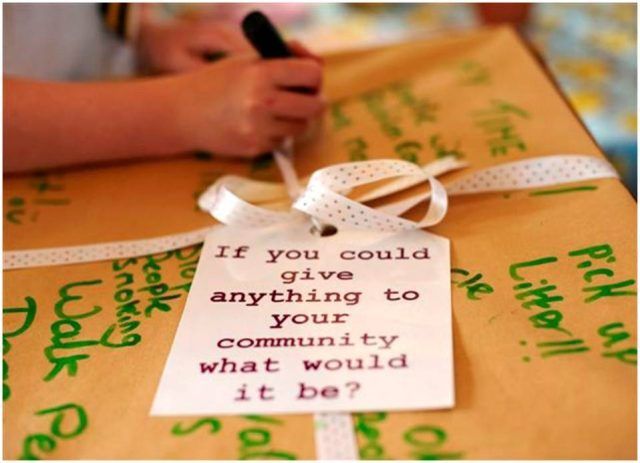
When we asked people from all over the UK, “What does community mean to you?”
Your responses revealed the many wonderful ways connecting with one another shapes our lives and the places we call home.
Community Action programme
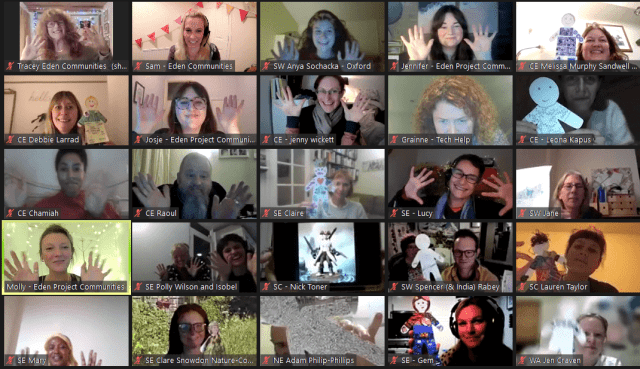
Jam-packed with workshops, inspirational talks, networking and fun, our Community Action programme is for anyone interested in making a difference in their community.
Loneliness and isolation
10 ways to keep connected
Making someone’s day and reducing loneliness can start with the smallest of…
Start a community project
If you’re passionate about making a positive impact in your community, why…
Loneliness and isolation
10 random acts of kindness to brighten someone’s day
As Vincent van Gogh wisely said ‘Great things are done by a…

Loneliness and isolation
15 ideas to improve community spirit
Been inspired by The Big Lunch or a Month of Community activity?…
Loneliness and isolation
10 small steps to spread a little love in your neighbourhood
We can all spread a little love in our neighbourhoods, and the…
Nature and environment
10 ways to introduce art into your community
Here are our top ten ways to get creative and brighten up…
Build connections with a Big Lunch
Taking place on the first weekend of June each year, The Big Lunch is the UK’s annual get-together for neighbours, with millions of people coming together for a few hours of community, friendship, and fun.
The Big Lunch connects people and encourages friendlier, safer neighbourhoods where people start to share more – from conversations and ideas, to skills and resources, and, for some, it ignites a passion for doing more good things where they live.
Stories of connection
How we brought isolated people together — with coffee and a caravan!
Ann Osborn is the Director of the Rural Coffee Caravan in Suffolk. The mobile community cafe and information centre helps to alleviate isolation in…
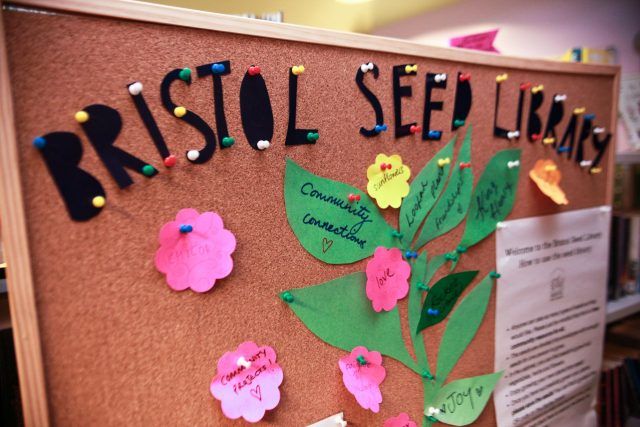
Sowing the seeds of community initiatives
Our Community Action programme has sparked over 1,000 community initiatives across the UK since it started. Discover three of those bright ideas…

Our community garden has helped reduce social isolation
Mick first found out about The Big Lunch when he attended a Big Lunch task force meeting in Dundee and thought it would be…
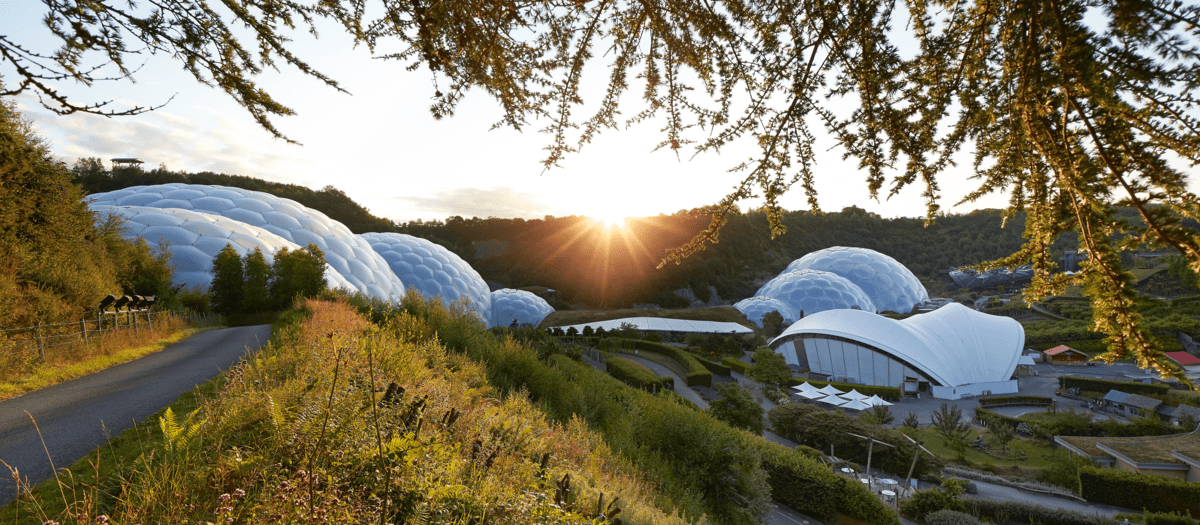
At the Eden Project, we believe we’re stronger together
The planetary emergency won’t be fixed by nature-based and technological solutions alone. We need social transformation with strong and resilient communities making positive changes where they live. Starting local, we can go global, growing a movement of ordinary people doing extraordinary things.
Whether you’ve visited or not, you can be part of this shared ambition and ethos too. Join the Eden community and help propel us towards a better future.
Where next?
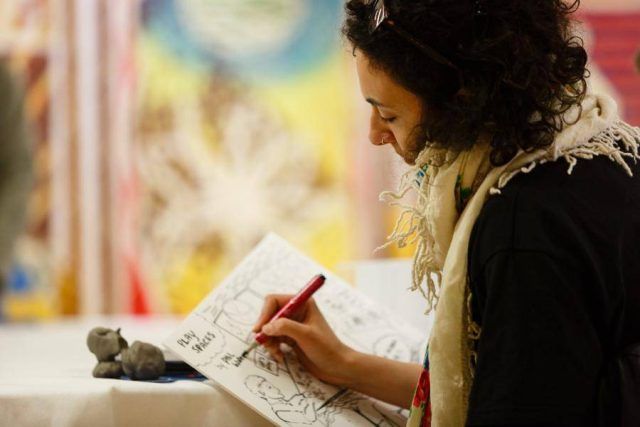
Start a community project
If you’re passionate about making a positive impact in your community, why…
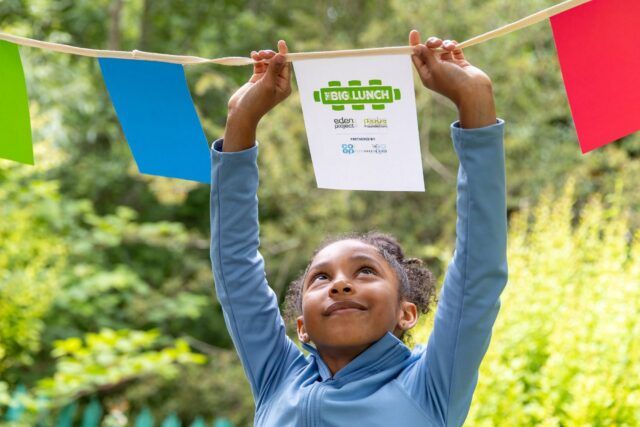
The Big Lunch
Join millions to share friendship, food and fun with a Big Lunch!
Community Action programme
Kickstart your community action journey
Why community is important
We believe in the power of people We support the doers, the…