Organise a community clear-up
A community clear-up does two great things: it brings people together and improves your local environment.
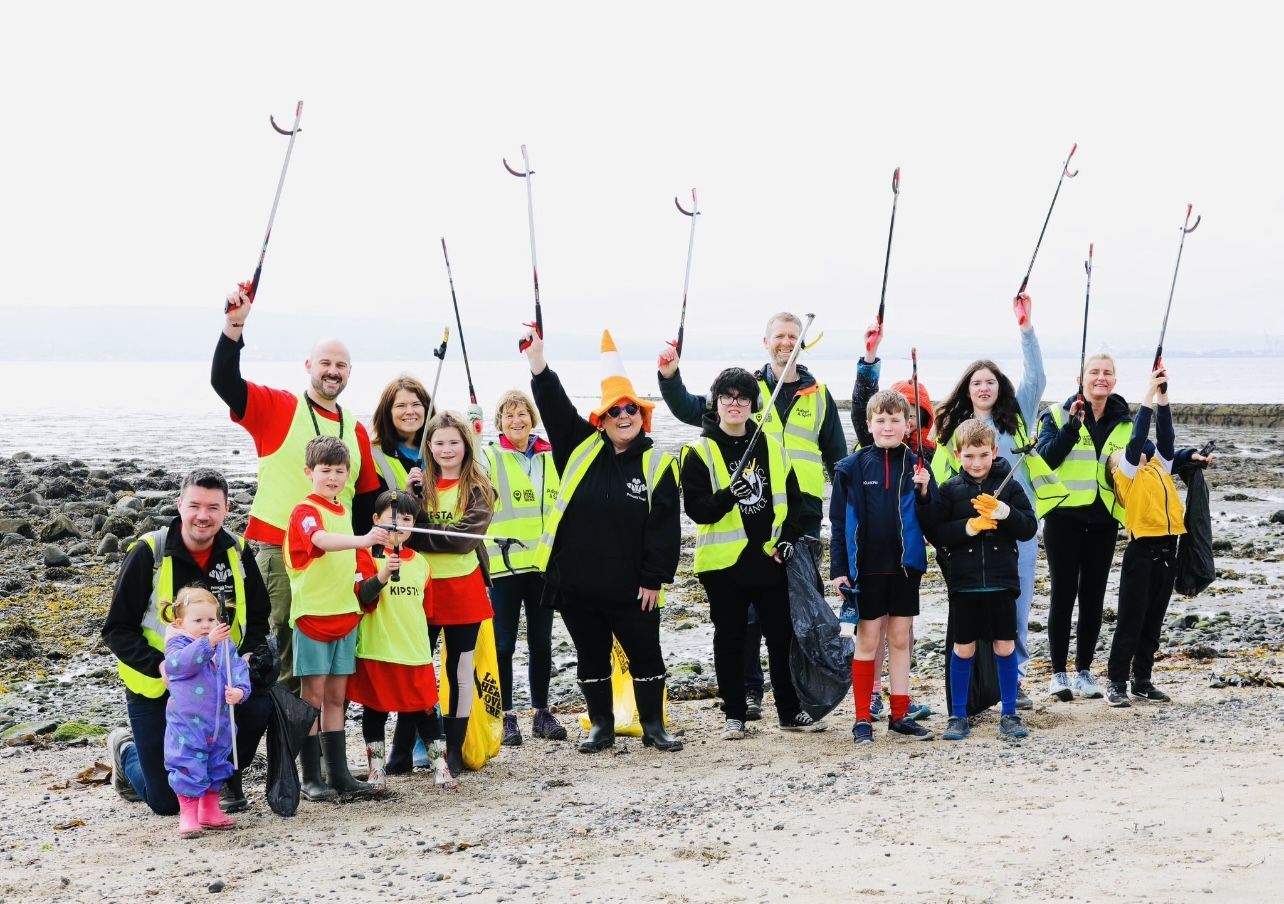
Whether you want to tackle litter, brighten up a neglected green space, or kick-start a longer-term project, a clear-up can spark pride, connection and be the start of lasting change.
How to get people involved
Start by building a small organising team of neighbours, friends, local businesses or representatives from schools and community groups.
Having a core group makes planning easier and spreads the workload. You can also decide between you where to start.
- Spread the word – share in a range of ways, including on local social media groups, community noticeboards, printed newsletters and word of mouth.
- Focus on the benefits – when you’re telling people about the clear-up, focus on the good that will come from it: cleaner streets, safer play areas and stronger community spirit.
- National campaigns – Thousands of volunteers join Keep Britain Tidy events each year. Referencing recognised initiatives can give your event credibility and attract first-time volunteers.
- Make it welcoming and fun! Let people know that they can give as much or as little time as they’re able – even one hour makes a difference.
Organise a litter pick
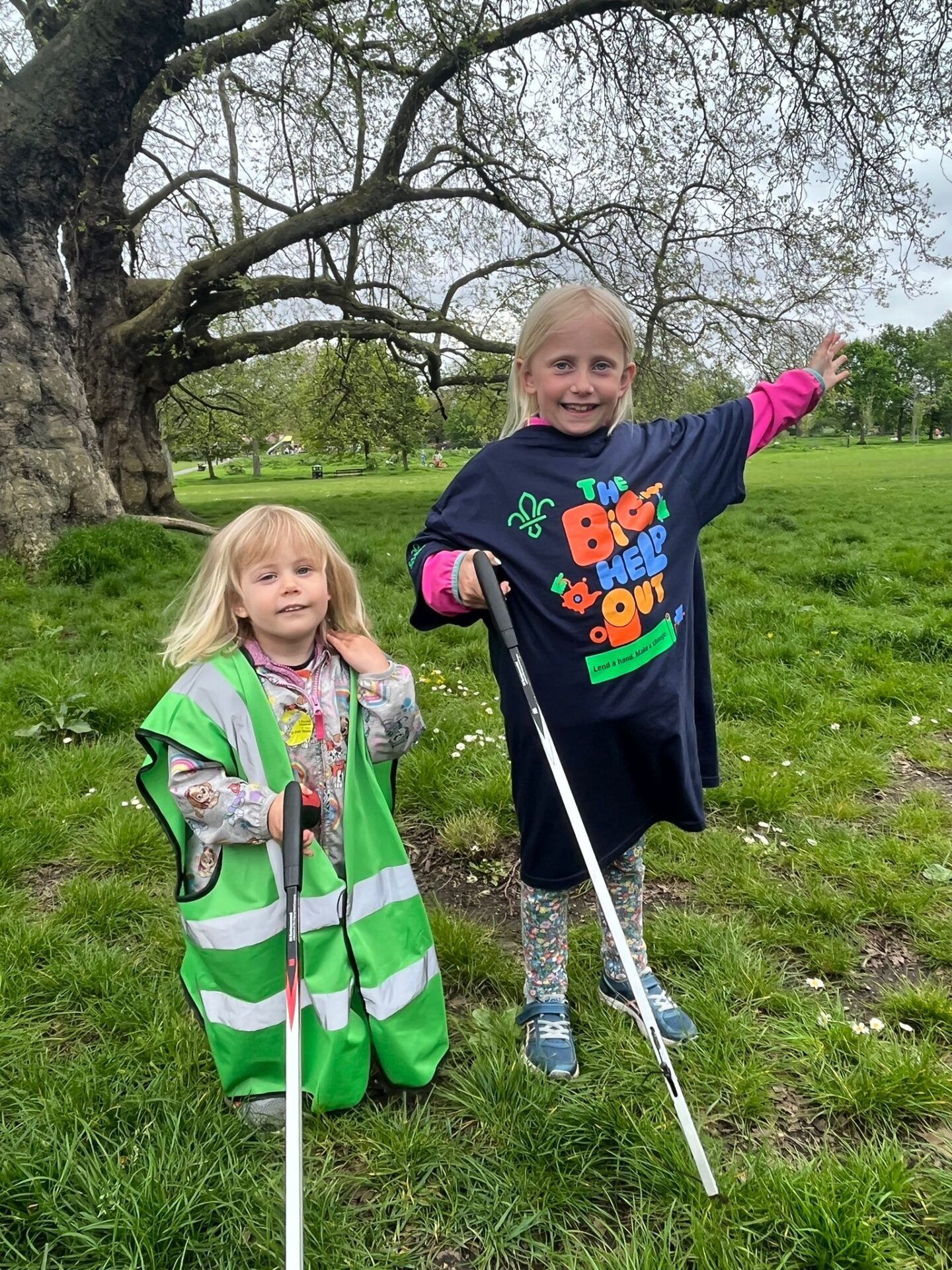
A litter pick is often the easiest starting point for a clear-up and can have a big impact. A litter pick might seem small, but volunteers across the UK regularly support Surfers Against Sewage beach cleans, removing tonnes of waste while raising awareness of plastic pollution. On a smaller scale, neighbourhood groups have transformed alleyways and estates simply by organising monthly litter picks and staying consistent.
- Choose a location. You might want to focus on a particular street, a park, or around a school or community centre.
- Contact your local council. Many councils can loan litter pickers, gloves and high-vis vests, and may arrange waste collection afterwards.
- Complete a basic risk assessment. Walk the area first and spot any potential hazards, such as busy roads or uneven ground.
- Arrange waste disposal. Make sure you have a plan of action around where bags should be left and who will collect them. (Your local Council will be able to advise.)
Local funds to apply for
Funding doesn’t have to be a barrier. Small grants are widely available for community environmental projects.
Keep it accessible
An inclusive event means that everyone feels able to take part. Consider:
Physical accessibility – choose areas to focus on that have step-free access where possible. Think about providing seating, like foldable camp chairs, for rest breaks.
Flexible timing – offer a mixture of sessions at different times and on different days of the week so that people with different schedules can join in.
Clear communication – use simple language and share information in advance. Also, agree on how to communicate, e.g. via email, social media, or WhatsApp.
Family-friendly activities – create little tasks for children, such as counting items collected or decorating plant pots.
Ask people what they need – don’t make assumptions about what support people might need in order to take part, just ask them and check in regularly.
Accessibility is not just about mobility; it’s about removing barriers, so the whole community feels ownership of the project.
Make your community greener
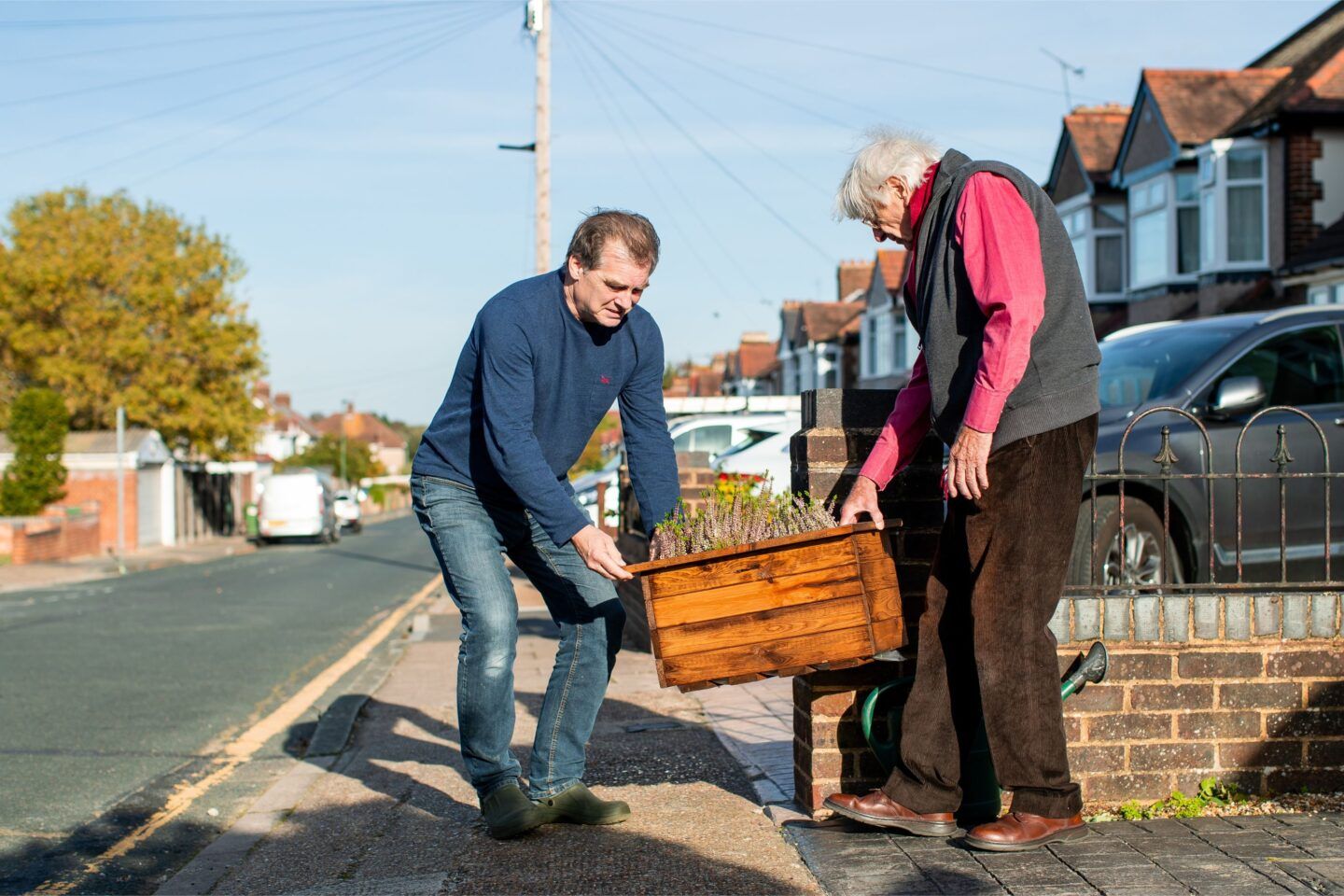
A clear-up is often just the beginning. Projects supported by The Wildlife Trusts have turned neglected spaces into vibrant habitats for pollinators and people alike. Initiatives inspired by Incredible Edible show how planting herbs, fruit and vegetables in shared spaces can strengthen local pride and food awareness.
As a starting point, you could:
- plant seasonal bulbs for spring colour
- create a pollinator-friendly patch with native wildflowers
- install raised beds for accessible gardening
- invite local experts to run workshops on composting or biodiversity
Small, visible improvements help to boost enthusiasm and show the difference a bit of effort can make.
Celebrate with a Big Lunch!
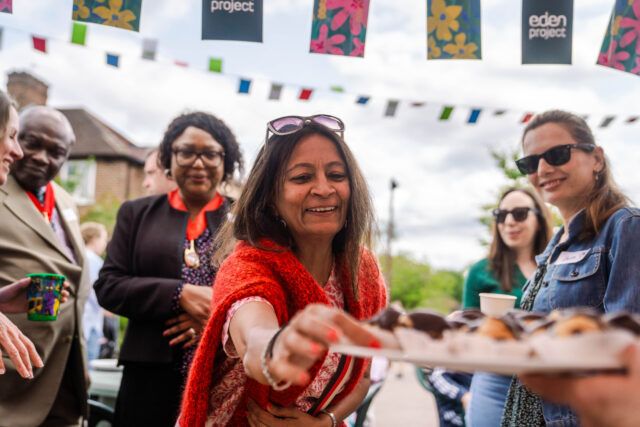
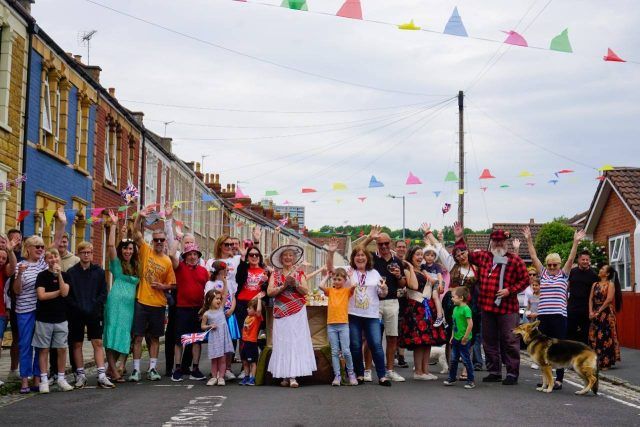
After all the hard work, why not celebrate together with a Big Lunch? Sharing food is one of the best ways to cement new friendships and thank volunteers. Ask everyone to bring a dish to share and create a relaxed space for conversation. Use the opportunity to gather ideas for next steps and invite volunteers to join future activities.