Community and volunteering – the key to a new sense of national optimism
This 2026 report by Public First reveals what public opinion suggests about local pride, togetherness and the national mood
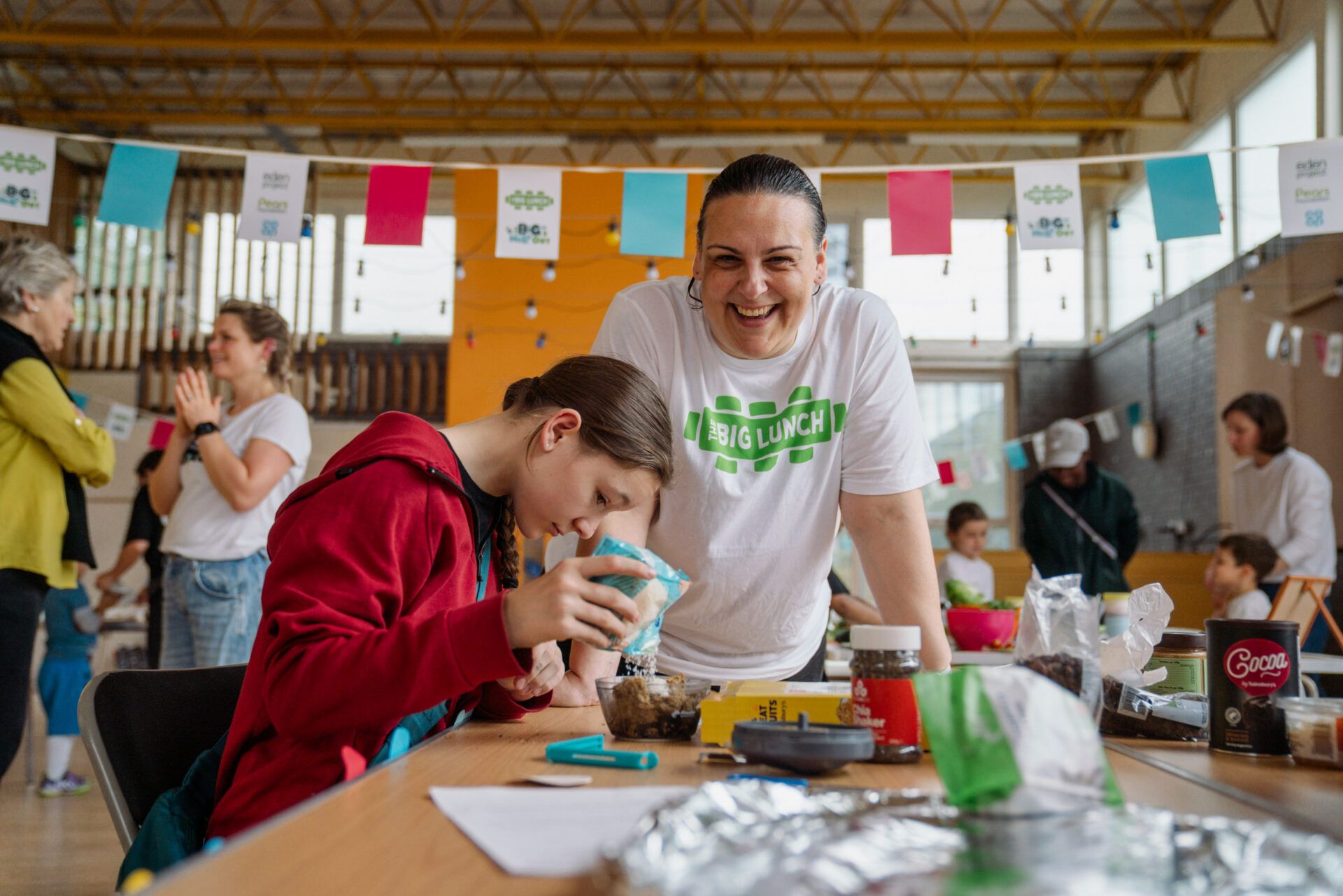
New research, carried out Public First and funded by the Pears Foundation, aimed to understand the values and sources of pride that are shared and can unify a British public that too often feels divided and fractious.
They found that the concept of ‘community’ is central to the British identity and that it can be a driver of optimism and pride. The research demonstrates how community can be a route to national optimism, with implications for organisations working to improve community spirit.
Key findings
- Britain’s national mood is one of pessimism – nearly seven in ten people say things in the UK have got worse over the last five years and 65% think Britain is more divided than it used to be.
- Beneath the pessimism, there is still a durable, widely shared belief in community and ‘’helping each other out’’.
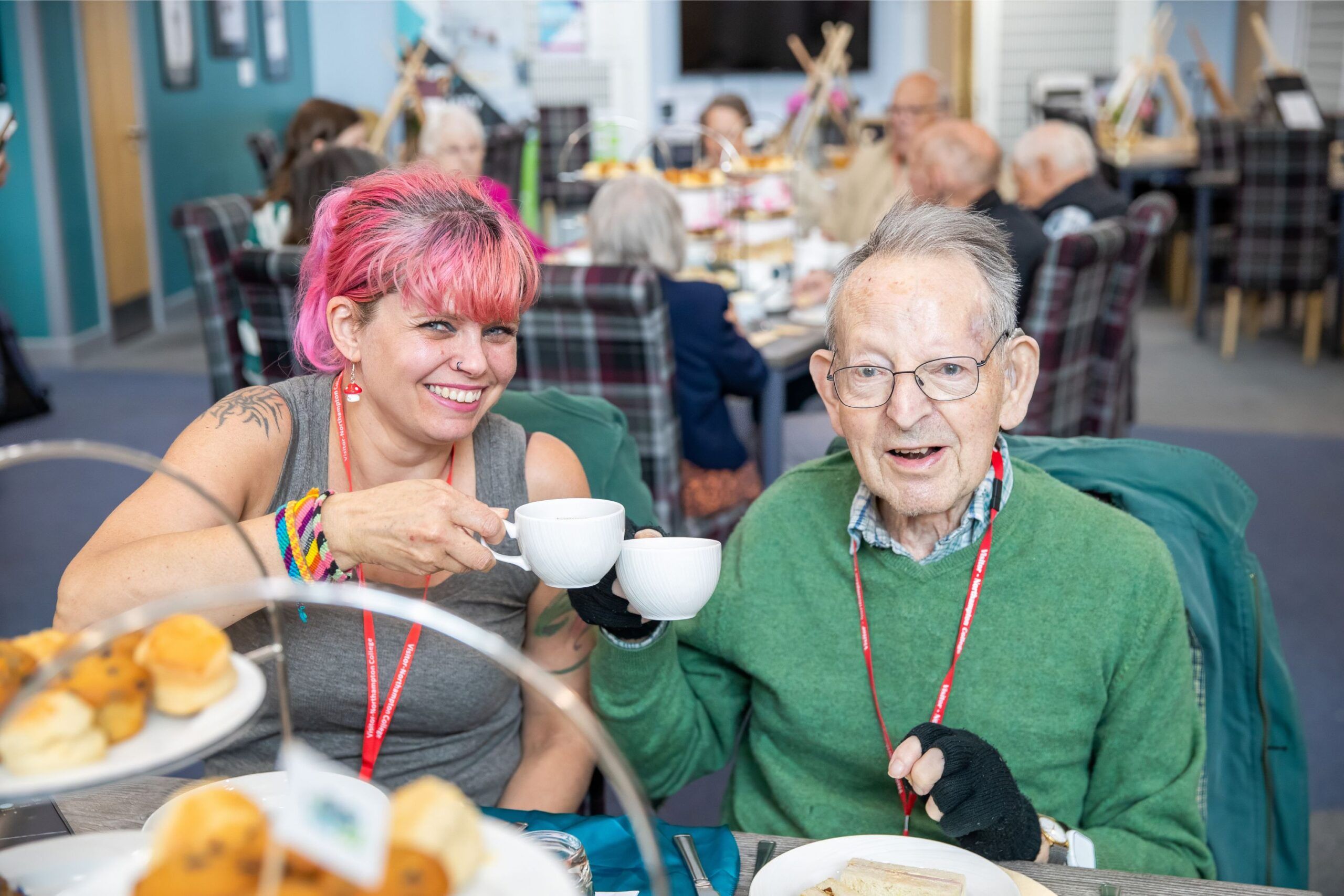
- A strong sense of community spirit and active engagement within communities is a key tool to increasing levels of optimism, with those who have recently volunteered or helped out their neighbours much more likely to feel optimistic.
- If Britain is to feel more together and more upbeat about the future, steps need to be taken actively – by civil society, government and leaders – to nurture a sense of community and togetherness and provide opportunities for people to come together.
- Opportunities for community engagement are not equally shared – lower-income groups are more likely to be missing out on structured opportunities to take part and improve civic pride and feelings of optimism.
0 %
say that ‘’the willingness of British people to help out and support others in everyday life’’ is something that makes them proud of Britain today
0 %
think Britain is more divided than it used to be
0 %
of those who volunteered at an event felt optimistic about the future of their local area, compared with only 28% of those who had never volunteered
How we can grow optimism
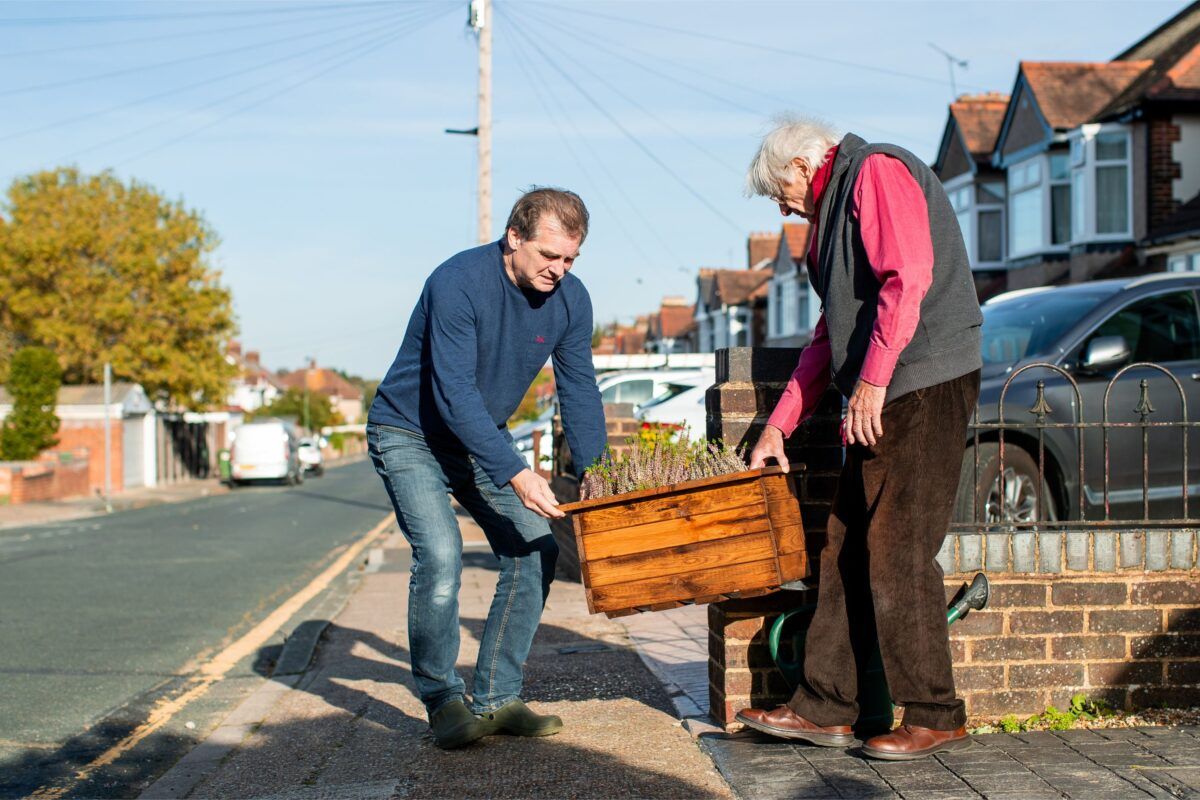
The findings suggest that people often respond most instinctively to the idea of neighbourliness: looking out for one another, lending a hand, checking in, helping with everyday problems.
Informal neighbourliness is one of the clearest ways people recognise community in action, while formal volunteering keeps many of the institutions of community that people value so highly alive, from youth groups and sports clubs to food banks and local events.
Initiatives which bridge the two may be ideal to nurture a renewed sense of community: creating low-pressure, welcoming opportunities for people to do small acts of participation that can then grow into deeper habits of contribution.
This should be a source of hope to everyone concerned about the widespread pessimism feeding into a fractious political environment. By facilitating greater community participation, we can build a more optimistic Britain.
Want to delve further?
Read the full findings from Public First, funded by the Pears Foundation.
Our research
We undertake research to understand what’s happening in our communities, to highlight…
Why community is important
We believe in the power of people We support the doers, the…
Month of Community
Come together to celebrate what makes our communities great
The big do
The Big Lunch and The Big Help Out are teaming up!
Hungry for more?
Sign up to our newsletter for a monthly dose of fun ideas, handy information and inspiring good news stories.